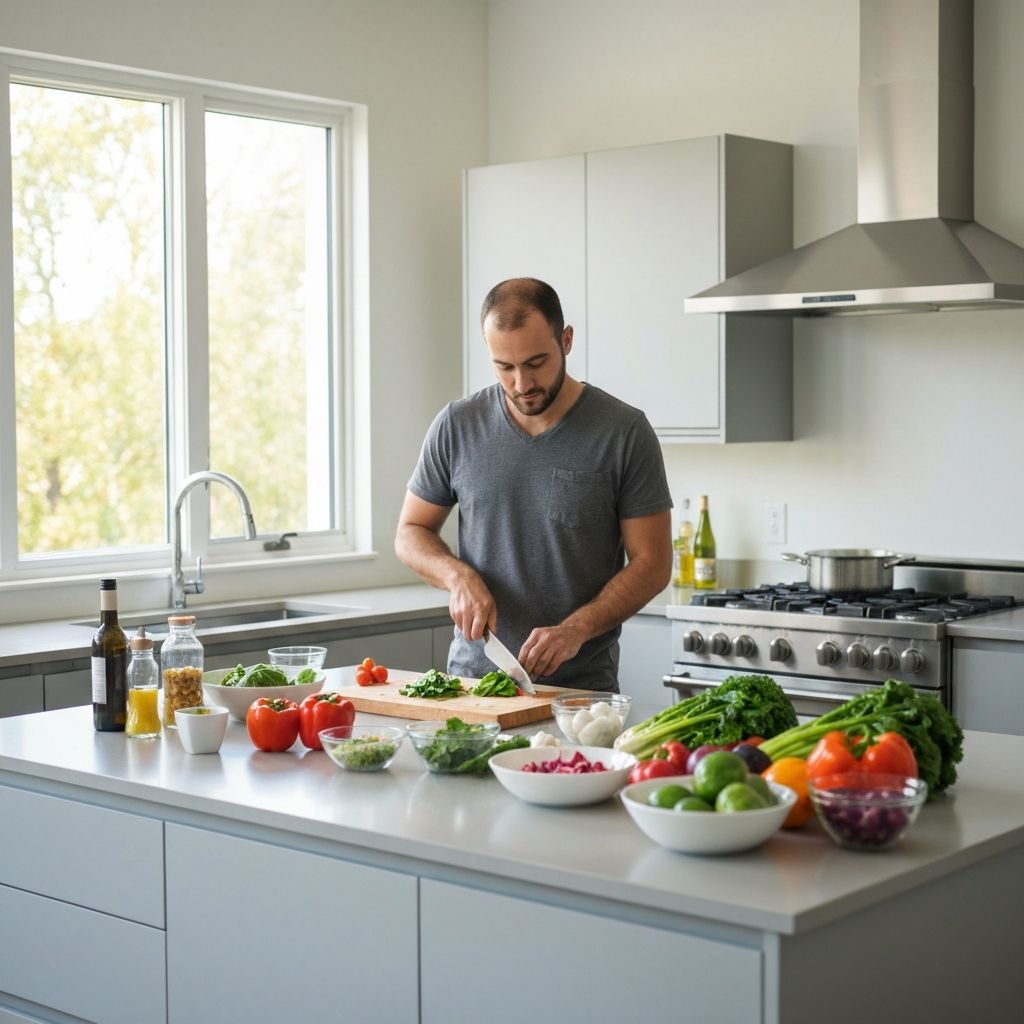
Welcome to Dyetolife
Your educational resource for understanding keto-style eating routines and intermittent fasting schedules. We share general information about daily habits, meal planning, and lifestyle approaches.
Learn More About Keto Routines

Lifestyle nutrition consultants provide educational guidance on daily eating routines and habit-building approaches. We share information about how people structure their meals, plan their grocery shopping, and maintain consistency in their daily routines.
Our role is to offer general information and personal routine overviews, not to provide health-related advice or specific outcome promises. Every individual is unique, and any routine adjustments should align with your own preferences and circumstances.
Educational information about low-carb lifestyle approaches

A keto-style eating routine typically involves choosing foods that are lower in carbohydrates and higher in fats and proteins. People following this approach often focus on whole foods like vegetables, nuts, seeds, eggs, fish, and quality fats.
This is simply one way some individuals choose to structure their meals. It involves adjusting food choices and being mindful about ingredient selection.
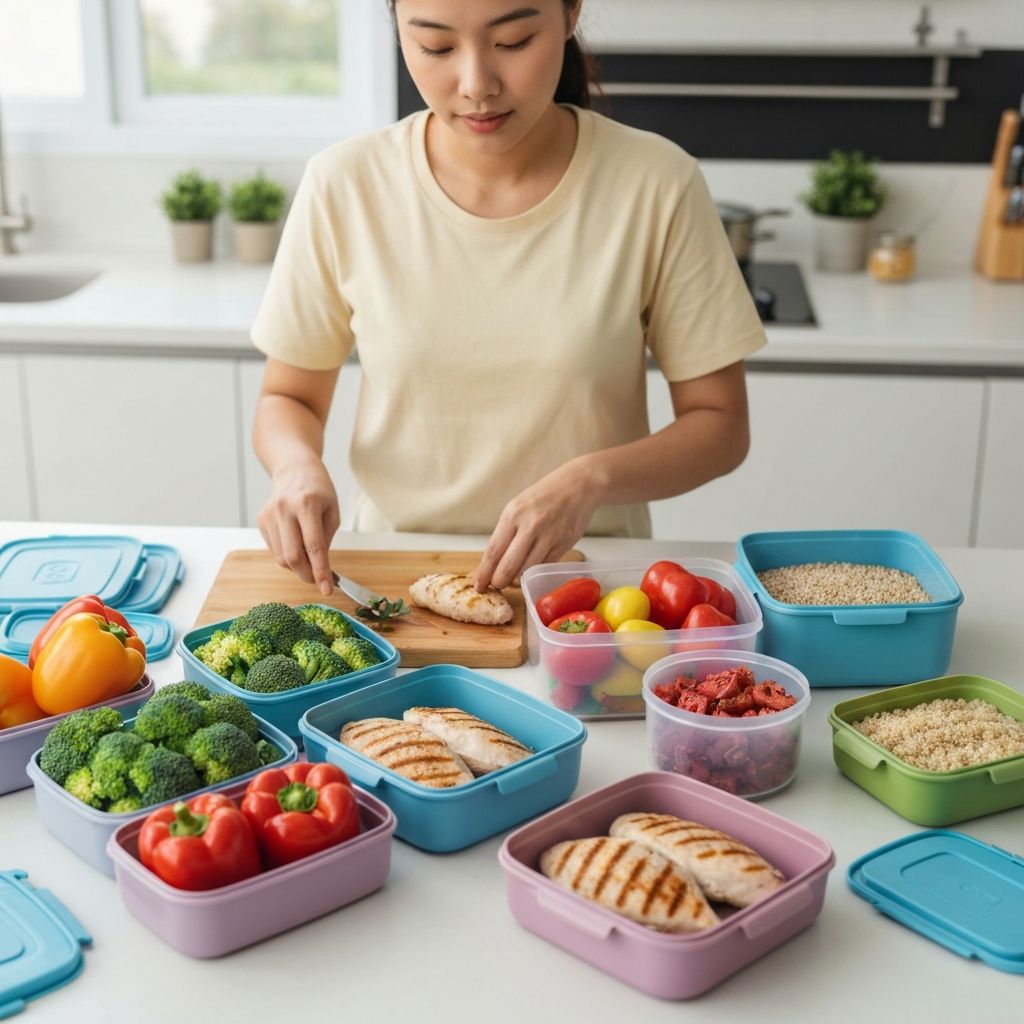
Many people structure their keto-style routine around planning meals ahead, reading food labels, and preparing ingredients in advance. This might include shopping for fresh produce, organizing weekly menus, and cooking at home more frequently.
The approach emphasizes consistency and personal preference rather than strict rules. Each person adapts the routine to fit their own schedule and taste preferences.
Understanding eating window schedules
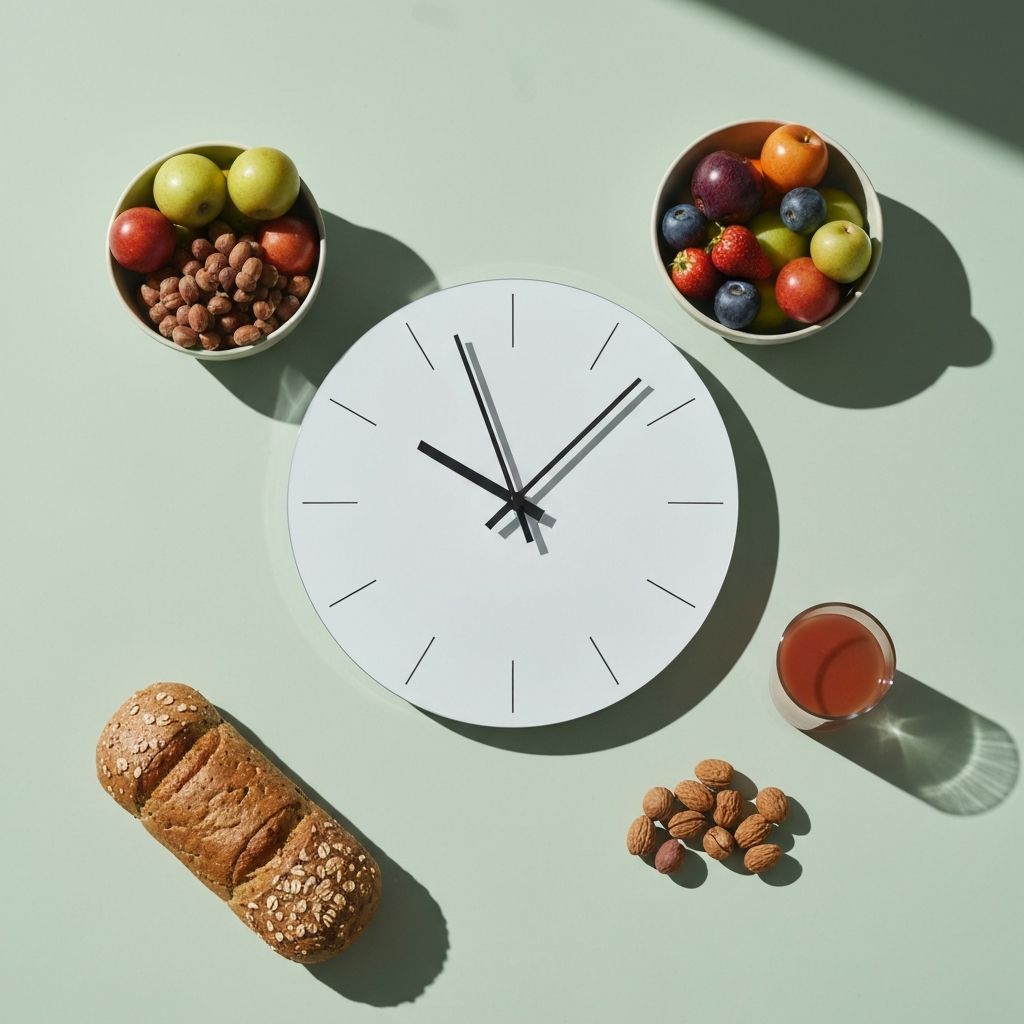
Intermittent fasting is a way of organizing your daily eating times. Instead of eating throughout the day, you choose specific windows of time for your meals. This is a scheduling approach, not a specific diet or eating plan.
People who practice this approach may eat during an 8-hour window and skip food during the remaining 16 hours, or choose other time arrangements that suit their lifestyle.

During non-eating periods, people typically drink water, herbal tea, or black coffee. The focus is on staying hydrated and maintaining your regular daily activities.
This is general information about how some individuals choose to structure their eating times. It may not be suitable for everyone, and each person should consider their own schedule and preferences.
Examples of how people structure their eating schedules
Eating during an 8-hour window and fasting for 16 hours. For example, meals between 12 PM and 8 PM. This is one common approach some people use.
Eating during a 6-hour window and fasting for 18 hours. Some individuals prefer a shorter eating window as they adjust to this routine.
Regular eating for 5 days per week and reduced food intake for 2 non-consecutive days. This approach focuses on weekly patterns rather than daily windows.
These are examples of how some people organize their eating times. There is no single approach that works for everyone.
Practical tips for organizing your food choices
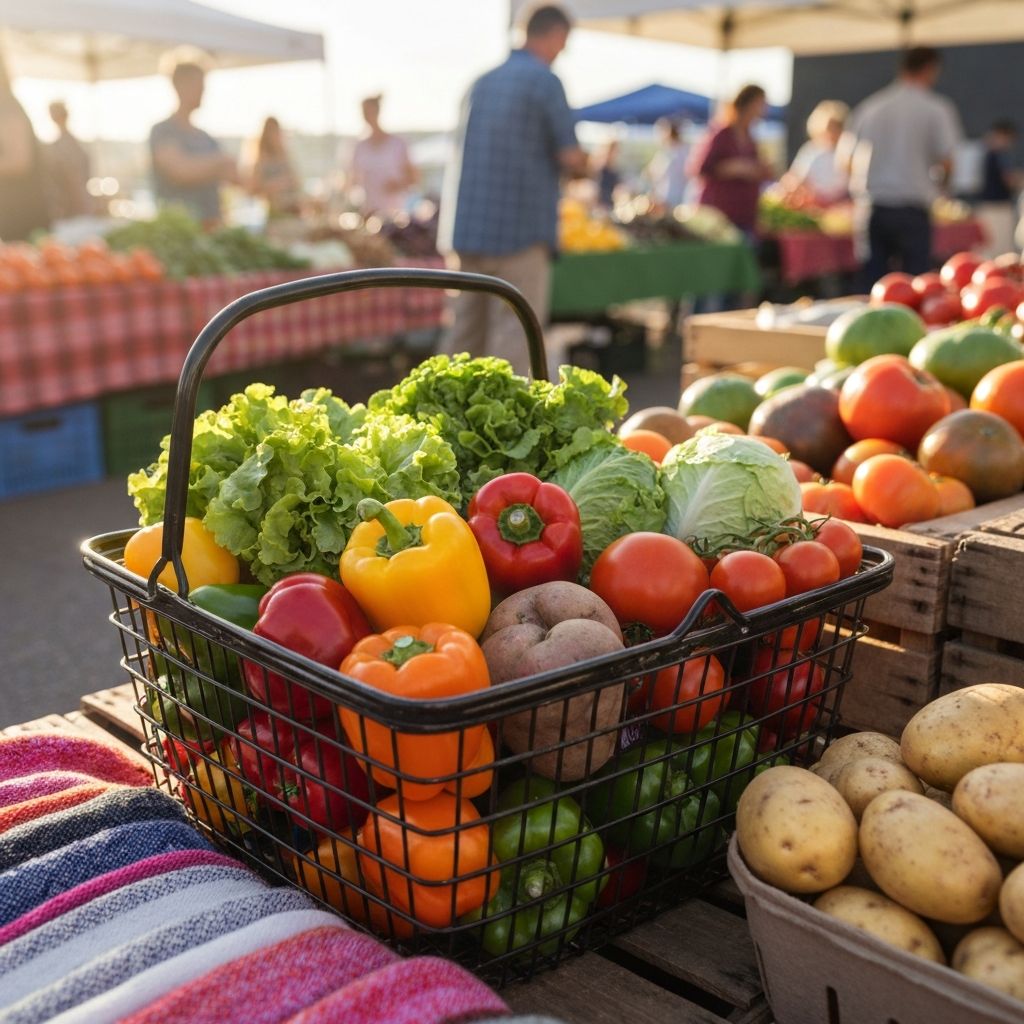
Planning ahead can make daily routines easier. Consider making a weekly shopping list, choosing fresh ingredients, and preparing some items in advance. This helps maintain consistency.
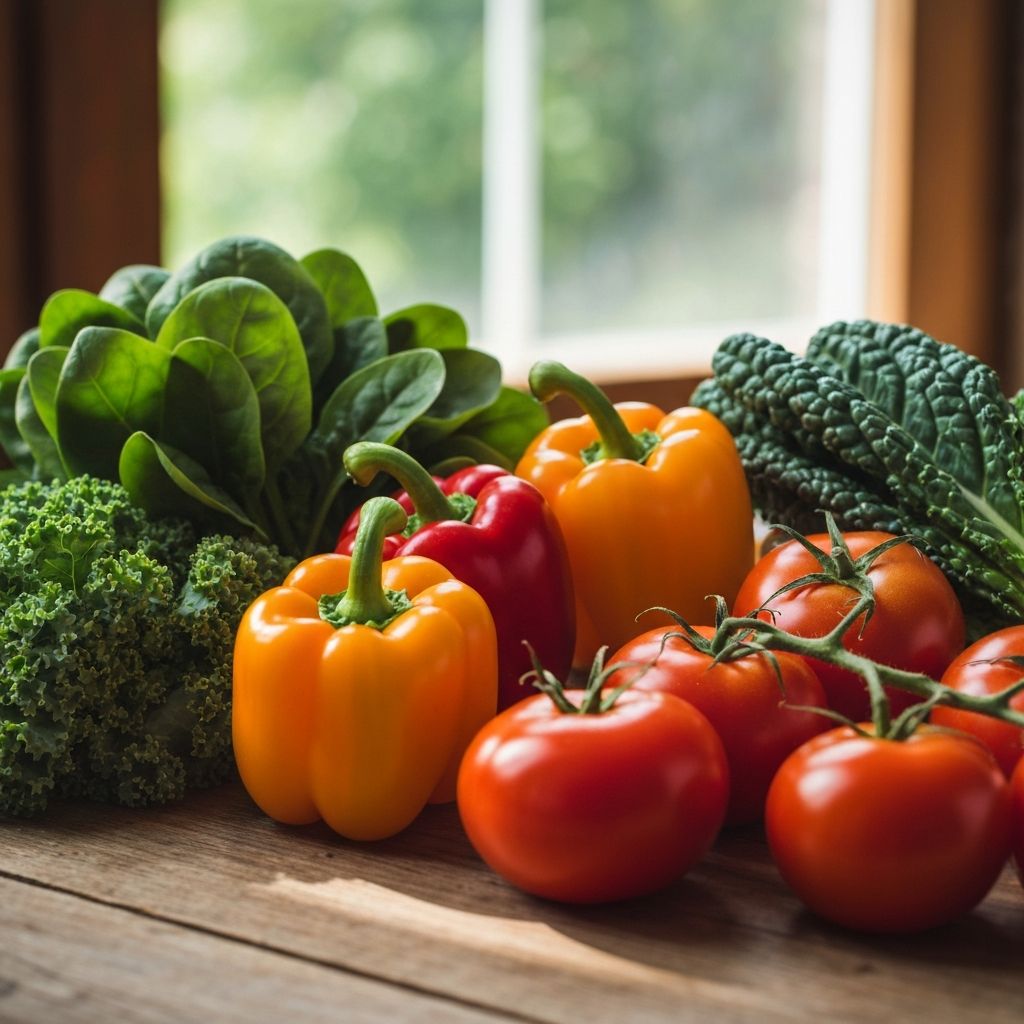
Focus on whole foods, vegetables, quality proteins, and healthy fats. Read ingredient labels and choose items that align with your routine preferences.

Staying properly hydrated throughout the day is an important part of any daily routine. Keep water accessible and drink regularly.
Other lifestyle factors that complement eating routines
Regular sleep patterns support overall daily routines. Aim for consistent bedtime and wake-up times.
Regular physical activity, whether walking, stretching, or other movement, complements healthy daily habits.
Building and maintaining consistent habits over time is more important than short-term changes.
These eating routine approaches may be of interest to individuals who:
This is general information, and individual circumstances vary widely. Always consider your personal preferences and situation when exploring new routines.
For more details, please review our Health Disclaimer.
"The educational approach helped me understand how to plan my meals better. I feel more organized with my daily routine."
— Sarah M.
Jakarta
"Learning about different eating window options gave me ideas for structuring my schedule. The information was clear and practical."
— Ahmad R.
Surabaya
"I appreciated the focus on education and habit-building rather than promises. It helped me make informed choices about my lifestyle."
— Linda T.
Bandung
Begin by learning about food choices, reading ingredient labels, and gradually adjusting your grocery shopping. Start with simple changes and build habits over time.
There is no single approach that works for everyone. Consider your daily schedule, work hours, and personal preferences. Many people start with a 16:8 format and adjust from there.
Focus on whole foods like vegetables, leafy greens, nuts, seeds, eggs, fish, quality meats, and healthy fats like avocado and olive oil. Choose foods that are naturally lower in carbohydrates.
Many people adapt their routines while traveling by planning ahead, choosing appropriate food options, and staying flexible. Packing snacks and researching restaurant options can help.
Consistency in daily habits tends to be more valuable than perfection. Small, sustainable changes maintained over time often work better than dramatic short-term shifts.
You can request a consultation to discuss your specific questions about building daily routines. We provide educational guidance and general information tailored to your interests.
Request a consultation or ask questions about building your daily routine
Get a Personalized Routine Overview